

Editor’s Note: Earlier this year, Airport Experience News launched the AX Next Gen Collective, an advisory group dedicated to elevating the voices of emerging leaders across the North American airport concessions industry. Throughout the coming year, the 12 professionals selected for the Collective will share their perspectives on the trends, opportunities, and challenges shaping the future of the business. They’ll also provide valuable feedback to the AXN team, offering insight into how the next generation of industry leaders consumes media, connects with content, and engages with the industry.
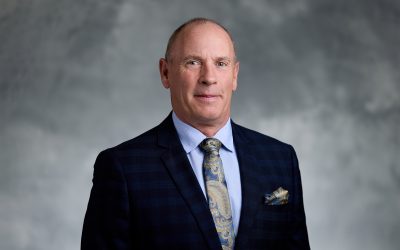
As part of this ongoing series, each week the AXN NewsFlash spotlights a different member of the AX Next Gen Collective. This week, we feature Vatana Kang, program manager at San Diego County Regional Airport Authority. Kang shared her experiences and insight with AXN’s Sarah Beling.
Beling: How did you land in the airport concessions industry?
Kang: Honestly, it happened by chance. I started my career at San Diego International Airport in training and organizational development. It turned out to be the perfect place to begin because it gave me the opportunity to learn how every part of the airport operates while building relationships across the entire organization. I worked with teams from operations and finance to maintenance, commercial management, and executive leadership, so I gained a broad understanding of the airport business and how interconnected everything is. As I got involved in more cross-functional projects, I had opportunities to work on business intelligence, contract negotiations, terminal operations, and parking revenue strategy. Every project expanded my perspective and gave me new skills. When an opportunity opened up in terminal business development, I took it. I started with advertising, parking revenue, and our COVID testing program, and eventually transitioned into concessions. Looking back, it wasn’t one big career move – it was saying yes to opportunities, staying curious, and building relationships along the way.
Beling: What are you doing now (and how did you get there)?
Kang: Today I’m a program manager for terminal business development at San Diego International Airport (SAN). Our team is responsible for the terminal commercial side of the airport, so I spend a lot of my time working with concessionaires, developers, operators, consultants, and internal departments to make sure we’re creating a program that’s financially successful while also delivering a great passenger experience. One of the things I enjoy most is that every project is different. One day we’re negotiating a new agreement, another day we’re planning for terminal redevelopment, and the next we’re thinking about how passenger behavior is changing and what that means for our future concessions program.
I think what has helped me get here is being willing to learn parts of the airport outside of my immediate role. Every experience – from parking to advertising to operations – gave me another piece of the puzzle. Now when we’re making commercial decisions, I can see how those decisions affect the airport as a whole.
Beling: What area of the airport concessions sector would you like to explore in the future?
Kang: I’m intrigued by the airport lounge industry. It’s interesting to see the growth of lounges over the past few years and really understand its impact on regular food and beverage concessions. Most recent studies I’ve seen have shown little to no impact, but I do believe they compete for the same passenger experience. They’re no longer just for frequent business travelers, they’ve become part of the travel experience that many passengers actively seek out. I do wonder about a couple of things. How do airports create experiences that complement each other? How do restaurants, retail, lounges, and amenities work together instead of competing? I think that’s going to be an interesting space over the next several years.
Beling: How do you predict the airport concessions sector will evolve to serve younger generations of travelers?
Kang: Something I’ve observed is that younger travelers value experiences just as much as products. People aren’t necessarily looking for another national chain they can find back home. They’re looking for something that feels authentic to the city they’re visiting. Whether that’s a local chef, a regional coffee shop, or products made by local businesses. The airport is the place where they are welcomed to the city and where they can have one last chance to experience the city before leaving.
Technology is another big shift. Waiting in line is becoming less acceptable. People want to order from their phone, reserve services ahead of time, and have everything integrated into one seamless journey. I think the pandemic accelerated that shift, and now convenience isn’t enough – they’re looking for a personalized, frictionless experience.
Beling: What is your favorite airport concession (restaurant, bar, store, amenity) and why?
Kang: That’s always the hardest question because it really depends on where I’m traveling. But if I had to choose, I’d say local restaurants. One of my favorite parts of traveling is getting a taste of the destination before I even leave the airport. A great local restaurant gives you an immediate sense of place and reflects the culture and personality of the city. I also have to admit that I experience airports a little differently because of what I do. Before I decide where to eat or whether to visit a lounge, I like to walk the entire terminal or maybe just the concourse I’m in. A lot of times I don’t leave myself too much time at the airport. I’m always curious to see how airports use their space, how they’ve curated their concession program, and what concepts they’ve chosen to showcase. That’s why I also appreciate airports that think beyond traditional concessions. An airport is not just a pass through but could be part of the destination where it’s not just providing a service but creating a memorable sense of place.